Hiring a Property Management Firm in Halifax: What Owners Actually Get Out of It

Managing a rental property in Halifax, Bedford, or Hammonds Plains involves more than collecting rent.
Owners are also responsible for:
Tenant communication
Vacancy marketing
Application screening
Maintenance coordination
Lease administration
Documentation
Regulatory compliance
Financial reporting
Emergency response
A property management firm transfers these responsibilities from the owner to a structured operating system.
The result is not simply convenience. Professional management can improve consistency, reduce vacancy exposure, protect the condition of the property, and make the investment easier to operate.
What Owners Actually Hand Off
A full-service property management arrangement may include the following responsibilities.
Leasing and Tenant Placement
The management firm can coordinate:
Rental market assessment
Listing preparation
Professional property presentation
Advertising across relevant channels
Showing coordination
Application processing
Reference and credit checks
Lease preparation
Digital lease signing
Move-in documentation
For owners of residential rentals in Halifax, speed and process consistency matter. A vacant property creates lost revenue every day it remains unoccupied.
A professional leasing process is designed to reduce delays while applying consistent screening procedures.
Rent Collection and Arrears Follow-Up
Owners may also transfer:
Monthly rent collection
Payment tracking
Arrears communication
Notice administration
Rent disbursement
Owner statements
Lease renewal tracking
This removes the owner from routine payment follow-up. It also creates a documented process for missed payments and other tenancy administration issues.
Maintenance Coordination
Maintenance is one of the most time-intensive areas of rental ownership.
A management firm can coordinate:
Emergency maintenance
Vendor scheduling
Repair approvals
Work-order documentation
Completion photos
Invoice collection
Preventive maintenance
Tenant updates
The owner does not need to answer every maintenance call personally or spend time locating a contractor for each issue.
The Halifax, Bedford, and Hammonds Plains Operating Environment
Rental properties in Halifax Regional Municipality require local knowledge.
Halifax Rental Properties
Owners of residential rentals in Halifax commonly manage:
Higher tenant inquiry volume
Frequent turnover between tenancy periods
Apartment and condominium requirements
Parking and storage questions
Older buildings requiring ongoing maintenance
Tight scheduling for showings and repairs
A local manager can coordinate leasing and maintenance around the specific property type and neighbourhood.
Bedford Rental Properties
Owners considering property management in Bedford, NS may be managing:
Single-family homes
Townhomes
Multi-bedroom apartments
Newer construction
Properties with garages, driveways, or larger exterior areas
These properties may require additional coordination for:
Lawn care
Snow removal
Exterior maintenance
Utility responsibility
Multi-room inspections
Preventive maintenance
Hammonds Plains Rental Properties
Rentals in Bedford, NS and Hammonds Plains may attract families and tenants seeking additional space.
Owners should expect management requirements involving:
Three-bedroom layouts
Larger floor areas
More extensive move-in inspections
Property access coordination
Exterior maintenance
Septic, well, or rural servicing considerations where applicable
A management firm should understand the operational differences between an apartment unit and a detached or townhome rental.

The Real Cost of Self-Management
Self-management does not have a zero cost.
The owner may not receive a separate management invoice, but the operating cost is paid through personal time, delayed decisions, and inconsistent processes.
Common Self-Management Tasks
Owners may spend time on:
Responding to tenant calls and messages.
Scheduling showings.
Reviewing applications.
Contacting references.
Preparing leases.
Tracking rent payments.
Coordinating repairs.
Meeting contractors.
Conducting inspections.
Maintaining records.
Responding to urgent issues.
Reviewing tenancy documentation.
One maintenance issue can require several separate communications:
Tenant report
Owner assessment
Contractor search
Appointment scheduling
Access coordination
Repair approval
Completion confirmation
Invoice review
Record storage
The financial value of the owner’s time should be included in the investment calculation.
Self-Manage Versus Professionally Managed
Operating area | Self-managed property | Professionally managed property |
Tenant communication | Owner handles all routine and urgent contact | Management team handles communication through defined channels |
Maintenance | Owner locates and coordinates vendors | Manager assigns, tracks, and documents work orders |
Leasing | Owner manages inquiries, showings, and applications | Leasing process is handled through established procedures |
Vacancy | Owner absorbs the administrative burden and lost time | Manager coordinates marketing and lease-up activity |
Documentation | Owner maintains records manually | Digital systems support centralized documentation |
Rent collection | Owner tracks payments and follow-up | Manager monitors payments and reports status |
Inspections | Owner schedules and completes inspections | Inspections are documented and coordinated |
Reporting | Owner creates personal records | Owner receives structured statements and updates |
Emergencies | Owner remains the primary contact | Manager provides an escalation and response process |
The correct comparison is not “management fee versus no fee.”
The more useful calculation is:
Net owner benefit = recovered rental income + saved owner time + avoided preventable costs − management fee
The actual result depends on the property, tenancy, condition, vacancy history, and service scope.
How Professional Management Can Affect the Numbers
A management firm cannot guarantee a specific return. It can, however, improve the consistency of the operating process.
1. Reduced Vacancy Downtime
Professional leasing support may reduce delays by coordinating:
Listing preparation
Inquiry response
Showing availability
Application review
Lease execution
Move-in scheduling
Split Rock Properties uses Quinn, its listing assistant, to help answer routine property questions and direct prospective tenants to available information. This supports faster communication during the leasing process.
Owners should still ask for realistic market assessments. A higher asking rent is not beneficial if it creates extended vacancy.
2. Better Maintenance Control
A documented maintenance process can help owners identify:
Recurring issues
Delayed repairs
Vendor performance problems
Preventive maintenance requirements
Larger capital planning needs
The objective is not always to choose the cheapest repair. The objective is to protect the property, resolve issues appropriately, and maintain a reliable record.
3. Consistent Tenant Screening
A professional screening process should use consistent criteria for every applicant.
Owners should confirm that the process addresses:
Identity verification
Employment or income information
Rental history
References
Credit information where appropriate
Applicant consent
Privacy controls
Human rights obligations
Screening criteria must be applied lawfully and consistently. Informal policies based on protected characteristics or prohibited assumptions create unnecessary risk.
4. Better Administrative Control
A professional manager can maintain records for:
Leases and addenda
Inspection reports
Maintenance requests
Vendor invoices
Rent payments
Notices
Tenant correspondence
Renewal activity
Clear documentation supports better decision-making and reduces uncertainty when an issue develops.
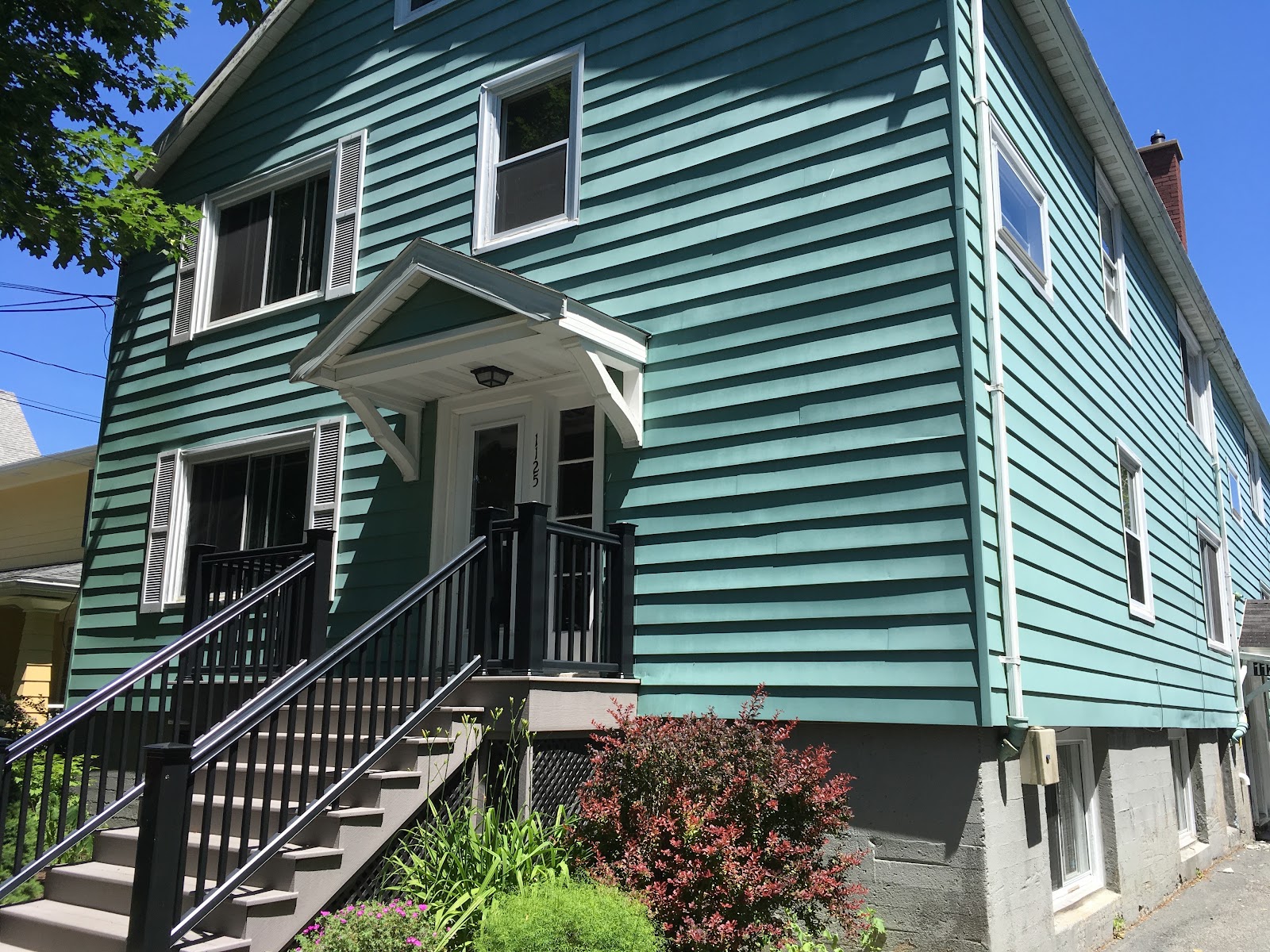
Why the Tenant Portal Matters to Owners
Split Rock Properties uses Propra to support tenant communication and maintenance tracking.
For owners, a tenant portal can provide:
Centralized maintenance requests
Time-stamped communication
Work-order visibility
Document storage
Repair status tracking
Reduced reliance on text messages
Improved operational records
The portal does not eliminate the need for management oversight. It provides a structured system for recording activity and keeping responsibilities visible.
This is especially useful for owners who live outside Halifax, own multiple properties, or want a clearer record of property operations.
What to Look for in a Property Management Firm
Use the following checklist before signing an agreement.
Service Coverage
Confirm whether the firm provides:
Leasing-only services
Tenant placement
Full property management
Rent collection
Maintenance coordination
Inspection services
Lease renewals
Vacancy oversight
Local Operating Capability
Ask:
Who manages properties in Halifax?
Who manages properties in Bedford and Hammonds Plains?
How quickly can the team access the property?
Who handles after-hours emergencies?
Which local contractors are available?
Who covers the assigned manager’s absence?
Reporting and Financial Administration
Request examples of:
Monthly owner statements
Vacancy reports
Maintenance summaries
Inspection reports
Vendor invoices
Year-end documentation
Confirm how owners receive records and how quickly questions are answered.
Agreement Terms
Review:
Included services
Additional service charges
Approval thresholds
Emergency authority
Vendor arrangements
Owner responsibilities
Termination provisions
File and key transfer procedures
Communication standards
Do not evaluate firms based only on the headline management fee. Compare the complete scope of service and the expected owner workload.
Why Owners Choose Split Rock Properties
Split Rock Properties provides owner-focused residential property management across Halifax, Bedford, and Hammonds Plains.
The service model includes:
Full-service residential management
Tenant placement and leasing
Professional property marketing
Lease administration
Maintenance coordination
Propra tenant portal support
Monthly owner reporting
Vacancy and occupancy tracking
Local operational coverage
Support with Nova Scotia tenancy documentation
Split Rock also uses Quinn, its listing assistant, to help prospective tenants find information about available units and the application process.
Owners receive a management structure designed to improve visibility without requiring them to handle every operational task personally.
Learn more about Split Rock Properties or contact the team at info@splitrockproperties.ca or 902-517-0362.
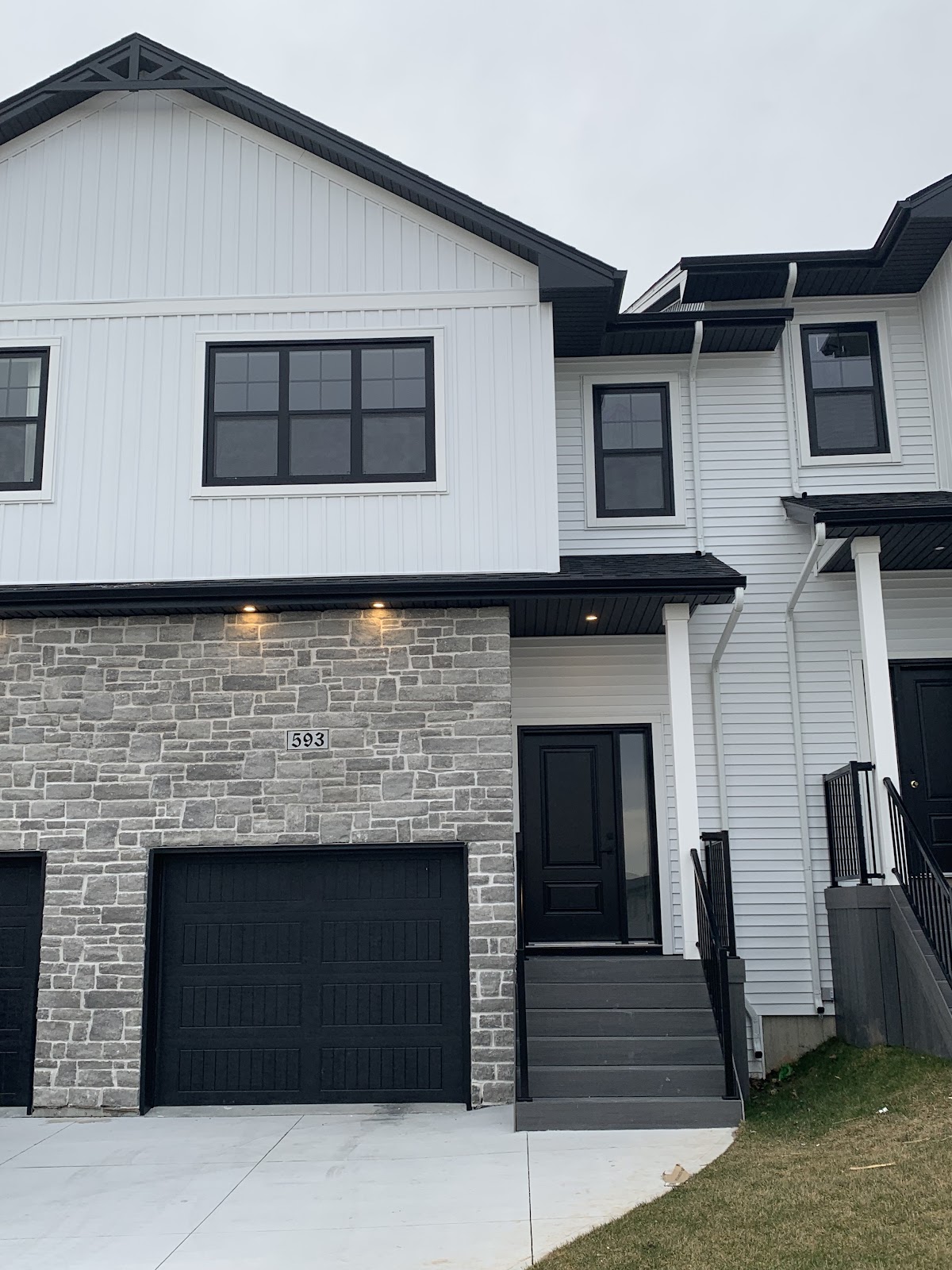
Owner Decision Checklist
Before choosing between self-management and professional management, calculate:
Average monthly owner time
Typical vacancy duration
Annual maintenance coordination time
Emergency response requirements
Administrative workload
Travel time to the property
Cost of delayed repairs
Cost of missed leasing opportunities
Required reporting quality
Desired level of owner involvement
Professional property management is most valuable when the owner wants a reliable operating process, not simply someone to collect rent.
Compliance and Information Disclaimer
Nova Scotia rental housing is subject to provincial tenancy legislation and applicable municipal requirements. Owners should review the current information provided by the Nova Scotia Residential Tenancies Program and the Halifax Regional Municipality Residential Rental Registry.
This article provides general information only. It is not legal, accounting, tax, insurance, or investment advice. Requirements may change based on the property, tenancy type, municipal regulations, and current legislation. Owners should obtain professional advice before making decisions affecting their rental property or tenancy operations.
Comments