Cranes in the Sky: What Halifax's Rental Construction Boom Means Now That the Market Has Changed

Why construction continues after the market shifts
A rental building can take years to move from early planning to occupancy. That creates a time lag between the market conditions that helped launch a project and the conditions renters encounter when it is ready.
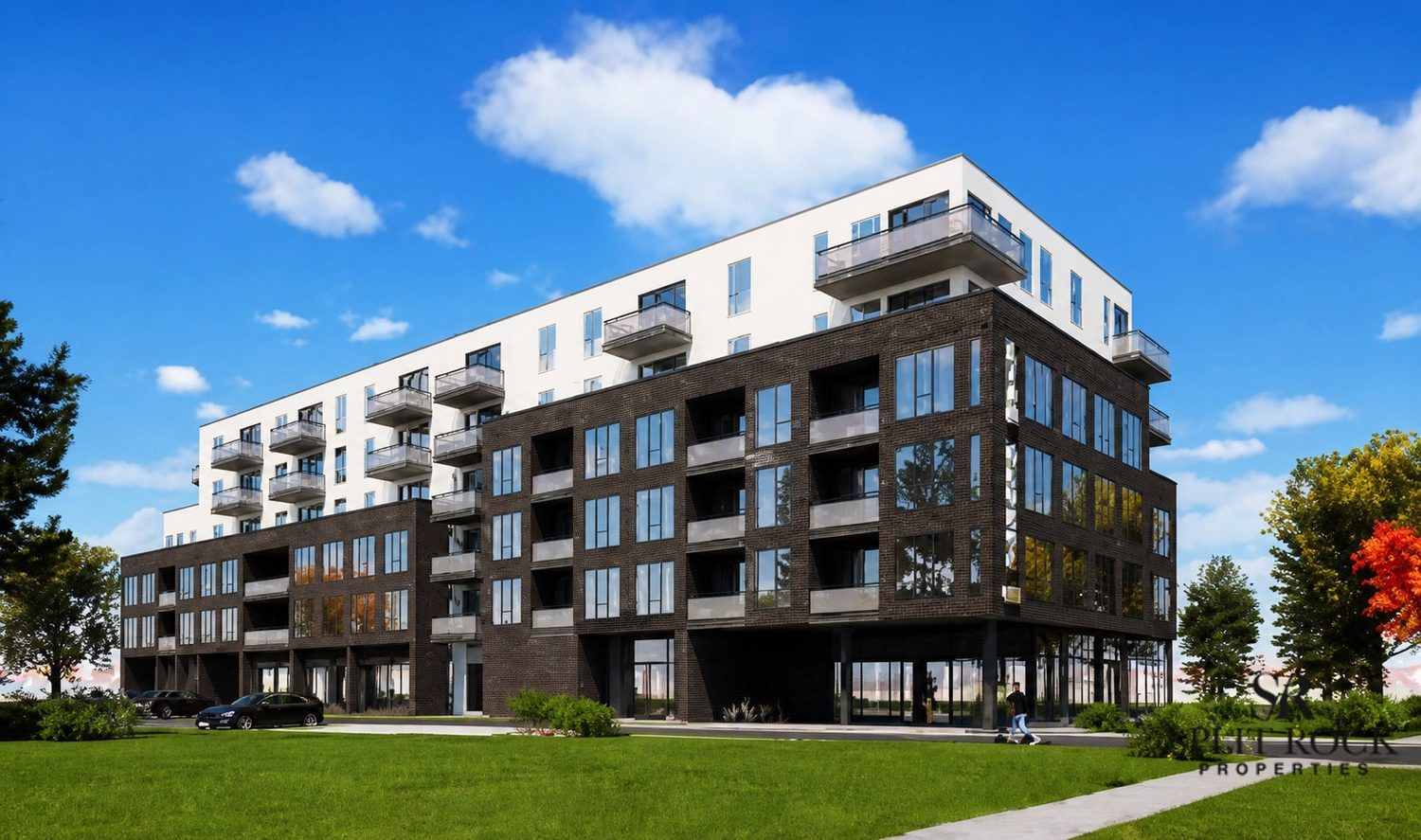
In Halifax Regional Municipality (HRM), cranes and active construction reflect decisions made earlier in the development cycle. Some projects were planned when rental demand was rising quickly. By the time those buildings are completed and begin leasing, supply, renter demand and competition may have changed.
That does not mean every project began under the same conditions, or that every building will open into a softer market. It does explain why construction can remain active even after the market has cooled.
The rental development pipeline
Large rental projects typically pass through several stages:
Planning and site review: The development concept, location and intended housing type are assessed.
Approvals and permits: Applications are reviewed, and required approvals and construction permits are obtained.
Financing and project commitments: The owner arranges financing and commits to project costs and contracts.
Construction: Work proceeds through multiple phases, often over an extended period.
Occupancy and lease-up: Units are completed, approved for occupancy and marketed to prospective tenants.
The length of this process matters. A change in demand does not instantly create completed homes, and a building already under construction cannot usually be treated like a project that has not yet started. Contracts, financing, materials, labour and work already completed all affect the decision to proceed.
Developers and owners still make project-specific decisions. Some projects may be delayed, adjusted or phased differently. But where construction is underway, stopping work may bring substantial costs and complications. As a result, new rental supply can keep arriving even when market conditions have shifted.
What the published figures show
CMHC’s 2025 Rental Market Report provides a useful snapshot of Halifax’s purpose-built rental market. It reported:
A 2.7% vacancy rate for purpose-built rental apartments in 2025.
An average two-bedroom rent of $1,826, up 6.7% from the previous year.
Greater vacancy pressure in areas that received more new rental supply.
A two-bedroom turnover rent that was lower in 2025 than in 2024, even as the average rent for all tenants increased.
These are market-wide averages. The 6.7% increase reflects the market as a whole, including new and turnover leases. It is not the amount an existing tenant's rent can be increased by. Rent increases for existing tenancies in Nova Scotia are subject to the provincial rent cap, currently 5% once every 12 months.
These measures describe different parts of the market. Average rents can rise while newly completed or newly available units face more competition. Existing leases, unit types, locations and the timing of new supply all affect the figures.
CMHC’s Fall 2025 Housing Supply Report also reported more than 10,000 rental apartments under construction in Halifax in June 2025. A record level at the time. This is a dated construction snapshot, not a count of units that will all be available at once. Projects have different construction schedules, and completion dates can change.
The figures point to a market in transition: a substantial development pipeline alongside a rental market where conditions are no longer identical to those that helped support the earlier construction cycle.
Why completed buildings must compete for tenants
When a number of projects approach completion around the same time, prospective renters may have several new options to consider. A new building does not lease every unit on opening day. Each property has to attract tenants, respond to questions, schedule viewings and complete applications.
That process is often called lease-up. Its pace can depend on:
Unit mix: The number of studios, one-bedroom, two-bedroom and family-sized homes.
Rent and total monthly cost: Base rent, utilities, parking and other stated costs.
Location: Access to work, education, services and transportation.
Features and services: In-suite laundry, storage, building amenities and maintenance response.
Timing: Whether renters are looking for a home when the units become available.
Marketing and leasing operations: How clearly the property is presented and how efficiently inquiries and applications are handled.
Where a new building offers many similar units, lease-up can take time. Owners may use incentives, such as rent concessions or included services, to compete for applicants. These offers can vary by property and lease terms. Renters should confirm the offer, eligibility conditions, duration and full lease obligations in writing before making a decision.
What this can mean for renters
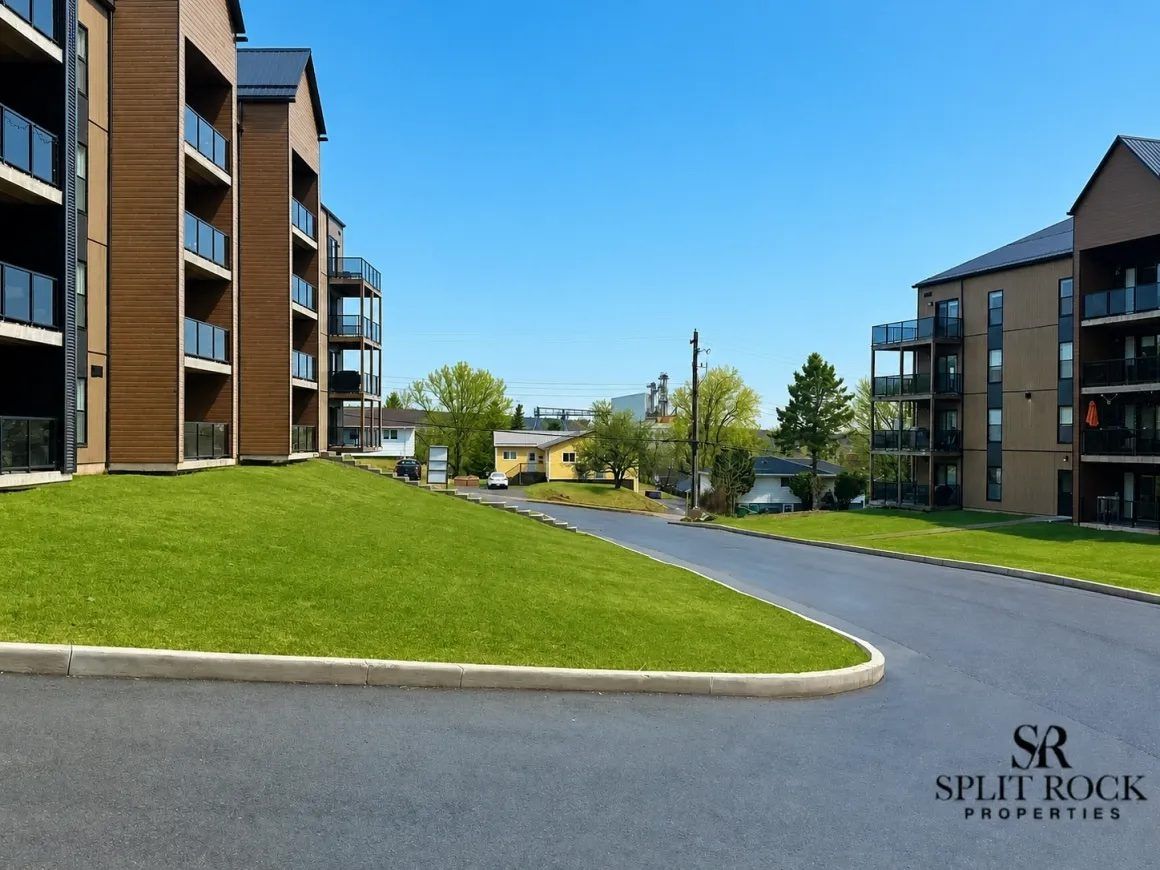
More supply can give renters additional options. It may also make it easier to compare properties based on more than advertised rent.
Before booking a viewing, renters should review the property website, available floor plans and any 3D tours. This helps confirm whether the unit’s layout, location and listed features meet their needs. Then compare:
Monthly cost: Confirm what is included and what is billed separately.
Unit details: Check the floor plan, storage, laundry, parking and accessibility features.
Lease terms: Review the proposed start date, lease type, duration and other conditions.
Incentives: Ask what is included, how long it applies and whether terms are written into the agreement.
Management and maintenance: Understand how to report maintenance concerns and communicate with the property manager.
More choice does not mean every rental will fit every budget. CMHC’s report notes that affordability remains a challenge, particularly for households seeking lower-cost options. Renters should assess the complete monthly cost and their priorities rather than assume a newer building will automatically be affordable.
Split Rock Properties lists residential rentals across communities including Halifax, Dartmouth, Bedford, Sackville, Hammonds Plains and Truro. Prospective renters can review available listings and use Quinn, the listing assistant, for property questions. Review the listing details, floor plans and 3D tours where available before requesting an in-person viewing.
What this can mean for building owners
In a more competitive lease-up environment, property owners need to plan for the full operating cycle, not just construction completion. Clear positioning, responsive leasing and consistent resident service can help a building compete on value and fit, not only on price.
Practical operating priorities include:
Set rental terms using current local comparisons, within the provincial rent cap. Consider location, unit type, amenities and competing availability, and apply the rent cap rules to existing tenancies.
Prepare for leasing before occupancy. Organize listing information, floor plans, application processes and inquiry response.
Track leasing activity. Review inquiry volume, viewing requests, applications, approvals and move-in dates.
Plan for resident service. Establish maintenance procedures and communication channels before tenants move in.
Review incentives carefully. Measure their terms and impact on lease-up rather than treating them as a substitute for clear pricing and service.
This section describes general operating considerations only and does not predict lease-up results for any specific property.
For owners seeking property management Halifax support, Split Rock Properties offers full-service residential management, including tenant placement, lease administration, maintenance coordination, owner reporting and new-construction lease-up services. Quinn supports listing inquiries, while the Propra tenant portal provides residents with an online channel for rent payments, maintenance requests and lease documents. Owners considering property management Bedford NS can contact Split Rock to discuss management needs and the property’s location and rental profile.
HRM is not one uniform rental market
Conditions can differ between Halifax, Dartmouth, Bedford, Sackville and Hammonds Plains. Neighbourhood-level supply, commuting patterns, unit mix and nearby services all affect a property’s competitive position. A market-wide statistic does not predict the lease-up result for a specific building.
Truro is a secondary market with its own supply, renter demand and leasing conditions. Comparisons between Truro and HRM should account for local differences rather than assume the same pricing or leasing approach applies in both places.
Key takeaway
The cranes in Halifax reflect a long development pipeline. Projects planned and financed during a stronger rental market can reach completion after renter demand and competition have changed. Once buildings are underway, construction may continue because of financing, contractual and project commitments.
For renters, added supply can mean more choice and greater ability to compare homes. For owners, it can mean closer attention to pricing, leasing operations and resident service. The effect will vary by building, location, unit mix and timing.
Sources and notes
General information disclaimer: This article is for general informational purposes only. It is not investment, legal or tenancy advice. Market data reflects the cited publications and reporting periods; conditions and rental listings change. Confirm current information and seek qualified advice for decisions specific to your circumstances.
Comments